






Why Integrity Matters
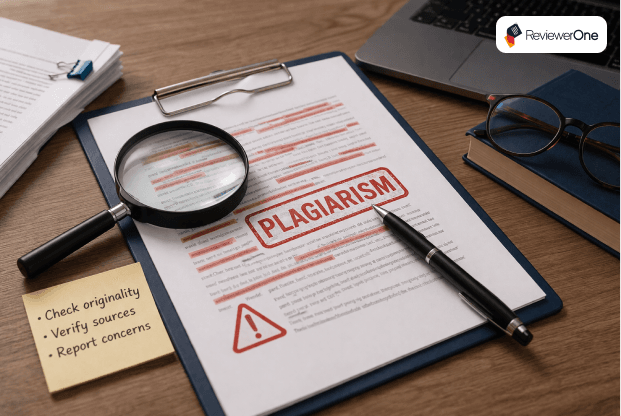
Practices that uphold research integrity and publication ethics aren’t just about compliance; they help researchers, editors, and peer reviewers ensure that scholarship remains reproducible, interpretable, and worth building upon. For authors, strong integrity practices reduce the risk of desk rejection, major revisions, and post-publication corrections. For reviewers, integrity checks are part of quality control: you’re helping editors understand whether the work is trustworthy and transparently reported. For editors, upholding best and ethical practices in research and publication is a way to ensure the credibility of their publication and disseminate reliable and reproducible research.
Common integrity failures (and how to avoid them)
Common ethics and integrity issues include undisclosed conflicts of interest, questionable authorship or contribution claims, inadequate method and data reporting, image/data concerns, and weak or unverified references. Did you know that most of these issues can be prevented through mindful attention to detail? A useful approach for you as an author and peer reviewer is to build “integrity checkpoints” into your workflow, disclose issues or conflicts early and transparently, report clearly, and document everything you did.
Ethical peer review
Ethical reviewing means being fair, confidential, and constructive. Disclose conflicts of interest early, avoid using manuscript content outside the review process, and keep your comments focused on evidence and clarity rather than personal judgment. If you suspect serious misconduct, raise it separately with the editor instead of making accusations in author-facing comments. If you use an AI tool in any aspect of peer review, make sure you inform the journal editor about this before you submit your review.
Retractions, corrections, and consequences
Retractions and corrections are part of the scholarly record, and they’re a reminder that integrity issues are real and often come to light after a paper has been published. Knowing the most common causes of retraction helps authors avoid preventable mistakes and helps reviewers recognise patterns that deserve editorial attention.
Resources to help authors, reviewers, and editors uphold research integrity and publication ethics
Often, while navigating the publication process, authors, editors, or reviewers may feel unsure of the best course of action. There are several checklists, guidelines, and resources to help each of these stakeholders navigate complex situations and understand the best practices to follow during research, manuscript preparation, journal submission, and publication. These include conflicts of interest disclosures, confidentiality reminders, reporting standards prompts, and structured review templates. You can also enrol in training programs to keep yourself updated and upskill, because expectations around data sharing, reporting, and AI disclosure continue to evolve.